Patagonia Tires
Nine Milestar tires for trucks, SUVs and UTVs
Patagonia is Milestar's off-road and all-season line, made by Tireco, Inc. of Gardena, California. The range starts at the M/T Pro mud-terrain and ends at the H/T highway tire, which means the right one depends on how much of your mileage actually leaves the pavement.
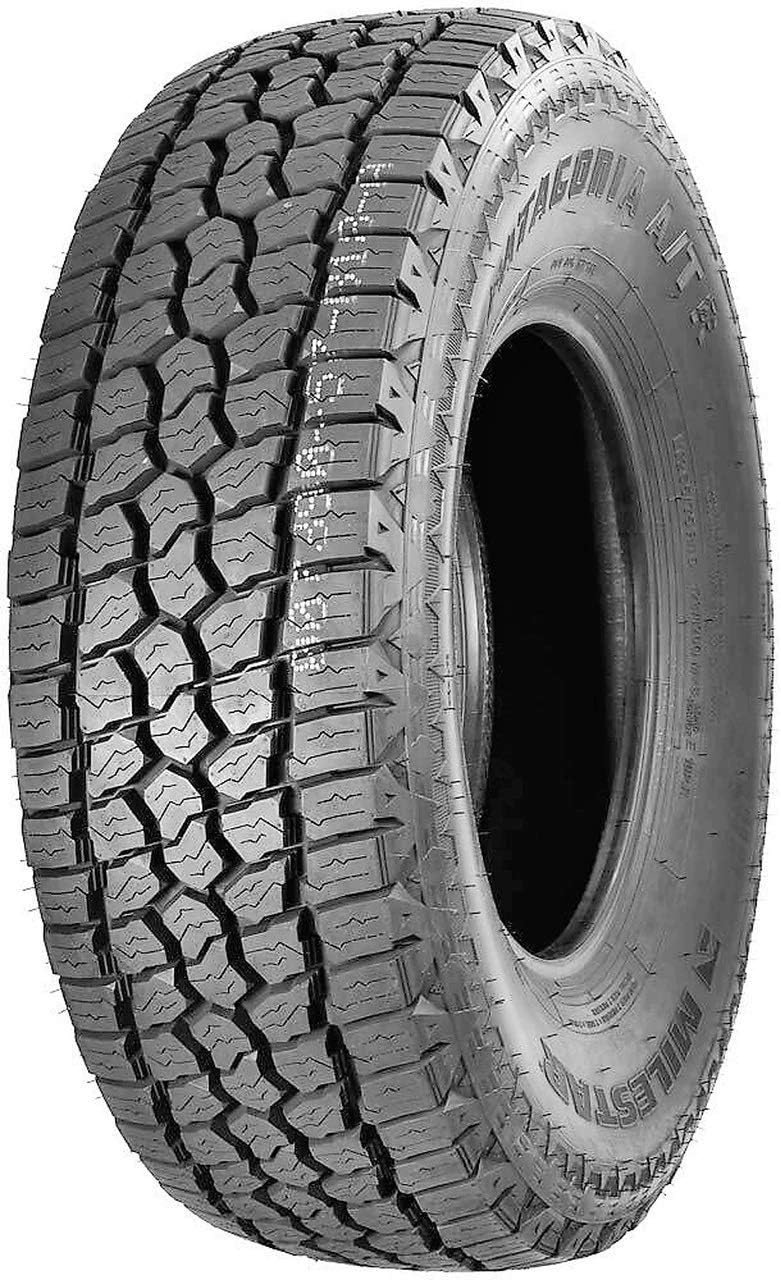
The Milestar Patagonia Range
Patagonia M/T Pro
Competition mud-terrain
The newest tire in the Patagonia mud-terrain family, aimed at serious off-road competition. Its tread runs large voids for loose-terrain evacuation, and the casing adds MILETECH compound technology, a 3-ply sidewall and extra stone defence. A centre rib keeps some on-road composure.
Trail rigs and competition trucks where nothing about the tire needs to suit a commute.
Shop Patagonia M/T ProPatagonia M/T-02
Supreme traction
Second-generation mud-terrain, five years of development on from the original Patagonia M/T. High-void tread gives mud somewhere to go instead of packing solid, cross-directional siping stiffens the blocks, and a MILETECH 3-ply sidewall takes impacts without going so rigid that the casing stops conforming at trail pressure. Tread starts at 19/32 in. across the range.
Deep mud, rock trails and loose dirt, where sidewall strength outranks highway tread life.
Shop Patagonia M/T-02Patagonia X/T
Rugged traction
Extreme all-terrain, built for drivers who want more than an A/T pattern gives without moving to a full mud-terrain. Alternating open shoulder blocks add biting edges in loose surfaces and step-down grooves hold the tread rigid under braking. An optimised pitch sequence takes some of the noise penalty off a heavily lugged tread.
A pickup or SUV that sees real trails but still puts most of its year on pavement.
Shop Patagonia X/TPatagonia A/T Pro
Ultimate all-terrain
The broadest tire in the range and the one most trucks end up on. Offset shoulder blocks expose extra edges, angled notches open the tread for mud and snow, and an aggressive upper sidewall adds protection in rock plus extra contact once the tire sinks into something soft. Tread depth follows construction: 18/32 in. on LT sizes, 14/32 in. on most passenger fitments.
Year-round truck and SUV use where off-road traction matters but a mud tread would be overkill.
Shop Patagonia A/T ProPatagonia A/T R
Rugged all-terrain
A less extreme all-terrain for trucks that spend real time on pavement and still need to handle dirt, gravel and unmaintained road. Variable-depth siping keeps edges available as the tread wears down, and a silica-infused compound resists cutting and chipping on rough surfaces. Launched in 2017 as part of Milestar expanding its light-truck range.
Conventional mixed use, where trail work is occasional rather than the point of the truck.
Shop Patagonia A/T RPatagonia H/T
All-season highway
The road tire of the family, and the longest mileage warranty in it. Wide circumferential ribs hold the truck straight, lateral siping works the wet, and stone ejectors keep gravel from lodging in the grooves. Tread runs shallower than the off-road models, between 10/32 and 15/32 in. depending on size and construction.
Pickups and SUVs that live on pavement, tow, and rarely need more than a graded dirt road.
Shop Patagonia H/TPatagonia M/T
Maximum traction
The tire the Patagonia off-road line grew out of. It set the pattern the family still uses: high-void self-cleaning tread, angled biting edges, stone ejectors, raised white lettering and a 3-ply sidewall on all but the 31X10.50R15LT. M/T-02 succeeded it as the second generation.
Still worth checking against remaining stock, though the M/T-02 is the current tire.
Shop Patagonia M/TFor UTVs and side-by-sides
Patagonia SXT
UTV maximum traction
A dedicated UTV and side-by-side tire rather than a shrunken truck M/T. A Kevlar belt package adds strength without loading the carcass with weight, deep wide grooves move dirt away from the contact patch, and the high-crown construction keeps the vehicle stable on loose ground. Tread depth is 19/32 in. across the range, all D/8 load range.
Recreational UTVs on rock, sand and loose trail, in the larger fitments up to a 34.
Shop Patagonia SXTPatagonia SXS
Side-by-side traction
Large overlapping tread blocks hold the vehicle steady under acceleration and braking, and a wide footprint keeps direction changes predictable on loose surfaces. The silica-enriched compound resists cutting and chipping, and integrated ejectors stop mud and stones sitting in the grooves. Tread depth is 19/32 in., load range D/8.
Recreational side-by-sides that need durable rubber for rock, sand and trail.
Shop Patagonia SXSWhich Patagonia Belongs on Your Truck
Start from the split between road miles and trail miles. A more aggressive tread is not an upgrade if the vehicle never uses it.
- 1
M/T Pro
Competition off-road
Trail rig or race truck. Nothing about it is tuned for a commute.
- 2
M/T-02
Mud, rock, deep dirt
Sidewall strength ahead of tread life. Still drivable on the road to get there.
- 3
X/T
Aggressive mixed use
Mud-terrain looks and a 3PMSF rating, tuned to survive real highway mileage.
- 4
A/T Pro
Substantial trail plus daily
The broadest choice in the range. 3PMSF, 55,000 miles, sizes for almost anything.
- 5
A/T R
Occasional dirt and gravel
Pavement most days, unpaved road when it comes up. M+S, not severe-snow rated.
- 6
H/T
Highway and towing
The quiet one, and the longest warranty at 60,000 miles.
Larger tread voids clear mud better and expose more biting edges off pavement. They also cost road noise, rolling resistance and tread life. Putting an M/T on a truck that commutes five days a week buys capability the truck will never spend, so the honest starting point is the road-to-trail ratio rather than the look of the tread.
Every Patagonia Tire Size
All 235 published fitments across the nine models, grouped by wheel diameter. Each entry shows its service description and overall diameter in inches.
Patagonia M/T Pro
3 sizes·Competition mud-terrain
Patagonia M/T Pro
Milestar has announced these fitments without publishing load index, tread depth or dimensions yet. Confirm the full specification of a size before ordering rather than carrying numbers across from the M/T-02.
17-inch wheels · 2
20-inch wheels · 1
Patagonia M/T-02
31 sizes·Supreme traction
Patagonia M/T-02
15-inch wheels · 3
16-inch wheels · 4
17-inch wheels · 8
18-inch wheels · 5
20-inch wheels · 8
Patagonia X/T
43 sizes·Rugged traction·3PMSF·40,000 mi
Patagonia X/T
15-inch wheels · 1
16-inch wheels · 2
17-inch wheels · 12
18-inch wheels · 9
20-inch wheels · 16
Patagonia A/T Pro
61 sizes·Ultimate all-terrain·3PMSF·55,000 mi
Patagonia A/T Pro
15-inch wheels · 4
16-inch wheels · 10
17-inch wheels · 17
18-inch wheels · 14
20-inch wheels · 13
Patagonia A/T R
42 sizes·Rugged all-terrain·M+S·50,000 mi
Patagonia A/T R
A/T R carries an M+S marking, not the Three-Peak Mountain Snowflake. Anyone who specifically needs severe-snow certification should look at the X/T or A/T Pro instead.
15-inch wheels · 2
16-inch wheels · 10
17-inch wheels · 14
18-inch wheels · 7
Patagonia H/T
38 sizes·All-season highway·60,000 mi
Patagonia H/T
16-inch wheels · 14
17-inch wheels · 11
18-inch wheels · 6
22-inch wheels · 1
Patagonia M/T
5 sizes·Maximum traction
Patagonia M/T
Compare an original M/T listing directly against the M/T-02 rather than assuming the two names describe the same generation. Milestar publishes popular fitments for the original rather than a full specification table.
16-inch wheels · 2
17-inch wheels · 3
Patagonia SXT
7 sizes·UTV maximum traction
Patagonia SXT
Patagonia SXS
5 sizes·Side-by-side traction
Patagonia SXS
SXT and SXS are not interchangeable. SXT adds the Kevlar belt package and reaches larger fitments.
Which sizes sit in stock changes through the year, and load range varies within a single model. Confirm the approved rim width, the inflated dimensions and the load rating your vehicle needs before ordering.
Reading a Patagonia Size Marking
LT285/70R17, read left to right
LT marks a light-truck tire built for heavier loads than a passenger casing. The 285 is nominal section width in millimetres. 70 is the aspect ratio, so the sidewall stands about 70 percent of that width tall. R means radial, and 17 is the wheel diameter the tire has to mount on.
A flotation size says it in inches instead
35X12.50R17LT gives approximate overall diameter and section width directly: roughly 35 inches tall, 12.50 inches wide, on a 17-inch wheel. Choosing any LT tire for a 17-inch wheel is a different decision from choosing a 35, even though both fit the same rim diameter.
The service description carries the load limit
A marking like 121/118Q combines load index with the speed symbol. Never drop below the load capacity the vehicle and its intended use require. Patagonia sizes span SL and XL passenger construction through LT load ranges C, D, E and F, and the correct one comes from the vehicle, not from preference.
A higher load range is not an upgrade by default
Heavier construction adds casing stiffness and weight. That is worth having under a truck that tows or carries weight, and it costs ride quality under one that does not. Match what the vehicle actually needs.
Set pressure from the placard, not the sidewall
NHTSA points drivers to the cold inflation pressure on the vehicle placard or in the owner manual. The maximum figure moulded into a sidewall is that tire’s ceiling, not a target. Once the fitment no longer matches the original size, have a shop work the pressure out from axle weights.
A bigger tire needs clearance, not just rim diameter
Check the fender and liner at full steering lock and at full suspension compression, because a tire that clears at ride height can still tear into something under load. A large change in overall diameter also shifts effective gearing and puts the speedometer out.
Tread depth varies across the range
M/T-02 starts at 19/32 in. on every size. A/T Pro reaches 18/32 in. on its LT fitments and runs 14/32 in. on most passenger sizes. H/T sits between 10/32 and 15/32 in. depending on construction. Deeper tread is not a tread-life rating on its own, because compound, alignment, vehicle weight, pressure and driving style all decide how fast the blocks disappear.
Patagonia Tires in Snow
Patagonia M/T Pro
No snow markingPatagonia M/T-02
No snow markingPatagonia X/T
3PMSF severe snowPatagonia A/T Pro
3PMSF severe snowPatagonia A/T R
M+SPatagonia H/T
No snow markingPatagonia M/T
No snow markingX/T and A/T Pro are the Patagonia truck tires that carry the Three-Peak Mountain Snowflake. The symbol means the tire met the required snow-traction performance criteria for severe-snow use, which is a measured result rather than a description of the tread.
A/T R carries an M+S marking instead, and the two are not equivalent. M+S describes tread geometry. 3PMSF describes a test the tire passed. Mud-terrain tread can generate real mechanical traction in deep loose snow without holding the certification, so an aggressive-looking tire proves nothing about its rating.
Winter also means ice, packed snow, freezing rain and low temperatures, and no single sidewall marking covers all of them. Pick against the winter you actually drive in.
Pressure, Rotation and Wear
Rotate every 5,000 miles
Milestar’s limited mileage warranty requires rotation and inspection by an authorised tire dealer every 5,000 miles, with the service recorded. Skipping it does not just wear the tires unevenly, it removes the paperwork a claim depends on.
Air down carefully, air back up before the highway
Dropping pressure enlarges the contact patch and lets the casing wrap around rock instead of skating over it. M/T-02 was built with a sidewall pliable enough for that. Going too low can unseat a bead, damage a wheel or overheat the casing, and road pressure has to go back in before any sustained run on pavement.
Check pressure cold
Read the gauge before driving, or after the tires have sat long enough to cool. A warm tire reads high, so setting pressure after a run leaves the truck underinflated once everything cools down.
Uneven wear is a symptom, not a verdict
Shoulder wear, centre wear, cupping or one tire going faster than the rest usually points at inflation, alignment, balance or a worn suspension part. Rotation spreads that damage around the truck without curing it.
Look the tires over after a hard trail day. A cut through a lug, exposed cords, a bulge in the sidewall or a block torn loose all need attention before the next trip, whatever the tread depth gauge says.
Patagonia Owner Reviews
I have a tire machine and a balancer at my shop and installed these myself. They balanced easily and didn't take any more weight to balance than you would expect. They are extremely smooth and quiet on the free...
Mckyla
Great tires. Ordered 5 of them and they arrived the next afternoon. Stored them in my home shop for about 3 months while I decided if I wanted to order new wheels for my truck. Tire shop Installer said they wer...
MynameisMiked
Great price, fast shipping. Tires mounted and balanced with no trouble and didnt require all sorts of extra lead to balance. Tires dont make excessive noise on the road and ride smooth. Size and fit is correct....
Anthony Proctor
Great tire for the price. Performed well in everything I've put it through and next to to road noise at all. 3000 miles in so far and no issues yet. Over all good looking and performing tire
Frank Gentry
I bought these tires because the ones on my 2011 RAM 1500 2x4 were not going to be good in the snow. I wanted actual winter/snow tires but tires in this size (20" diameter rims) are expensive! I wasn't keen on...
Kevin Bedard
Absolutely super quiet compared to the mud trax I was riding. Soft ride feels like a passenger tire almost. Very cushiony and soft feel. Installed on a 2015 Silverado 1500 with 2" spacers giving it a more aggre...
DVC11_11
Who Makes Patagonia Tires
Patagonia is a Milestar product line, and Milestar is owned and marketed by Tireco, Inc. Tireco is a U.S. private-brand tire and wheel company founded in 1972, headquartered in Gardena, California, running a national distribution network that includes its Fontana warehouse.
The line grew out of Milestar's off-road light-truck programme. Milestar expanded the original Patagonia M/T through 2017 with large flotation sizes for modified trucks, added the A/T R later that year, and filled the gap between A/T and M/T with the X/T in 2018. The second-generation M/T-02 and the A/T Pro both arrived in 2021, the A/T Pro at the SEMA show.
Today the range covers highway, all-terrain, extreme all-terrain, mud-terrain and UTV use across 235 published fitments, from a 27.7-inch passenger size up to a 42X14.50R20LT.
Not the clothing company
Patagonia tires have nothing to do with Patagonia, Inc., the outdoor apparel brand. Two unrelated companies use the same geographic name. Anything about these tires traces back to Tireco and the Milestar badge, and searching for the tire alongside “Milestar” keeps the two apart.
Warranty coverage varies by model
Milestar's limited mileage schedule runs 40,000 miles on the X/T, 50,000 on the A/T R, 55,000 on the A/T Pro and 60,000 on the H/T. Mud-terrain and UTV models are not on that schedule at all, so an M/T-02, M/T Pro, SXT or SXS should not be assumed to carry the same coverage.
A/T Pro, A/T R and H/T also appear under Milestar's 30-Day Ride Guarantee and Road Hazard Program. Those two programmes exclude online purchases under the published terms, so any protection offered on an online order is a separate thing from the manufacturer's dealer-based cover.
Frequently Asked Questions
Patagonia tires are part of the Milestar brand, which is owned and marketed by Tireco, Inc. Tireco is a U.S.-based tire and wheel company founded in 1972 and headquartered in Gardena, California. The Patagonia name is used across Milestar's light-truck, SUV and UTV ranges.
No. Patagonia tires are not connected with Patagonia, Inc., the outdoor apparel company. The tire line is a Milestar product family marketed by Tireco, Inc.
The current Patagonia range covers several levels of on-road and off-road use. M/T Pro and M/T-02 are mud-terrain tires, X/T is an extreme all-terrain design, A/T Pro and A/T R cover mixed road and trail use, and H/T is the highway-focused option. Patagonia SXT and SXS are built for UTVs and side-by-sides.
Both target demanding off-road use, but M/T Pro is the newer addition to the Patagonia mud-terrain family. M/T-02 is the established second-generation successor to the original Patagonia M/T and uses a high-void tread, MILETECH 3-ply sidewall construction, stone ejectors and a cut-and-chip-resistant compound. M/T Pro advances the mud-terrain line with updated tread and compound technology aimed at severe off-road conditions.
Patagonia X/T sits between a conventional all-terrain tire and a full mud-terrain design. It uses aggressive shoulder blocks, large tread voids, a 3-ply sidewall and a cut-and-chip-resistant compound, but its tread is tuned for more practical road use than a dedicated M/T. It also carries the Three-Peak Mountain Snowflake severe-snow designation.
A/T Pro is the more aggressive and newer all-terrain option. It uses MILETECH compound technology, stronger off-road tread features, an aggressive upper sidewall and carries the Three-Peak Mountain Snowflake rating. A/T R is better suited to more moderate mixed driving. It still uses a cut-and-chip-resistant compound and open shoulder design for dirt and gravel, but it does not carry the same severe-snow certification as A/T Pro.
Patagonia H/T is the road-focused model in the range. Its tread is designed around highway stability, wet traction, all-season use and lower tread aggressiveness than the A/T, X/T or M/T models. A driver who occasionally uses gravel roads but spends nearly all mileage on pavement will usually get more appropriate road behaviour from H/T than from a mud-terrain tire.
M/T Pro and M/T-02 are the primary choices for demanding mud and trail use. Their open tread designs create space for mud and loose material to leave the tread rather than becoming packed between the blocks. M/T-02 also uses a reinforced 3-ply sidewall and cut-and-chip-resistant compound for rocky terrain. X/T can be a better compromise when the same truck must cover substantial highway mileage.
Some Patagonia models are specifically rated for severe snow. Patagonia X/T and A/T Pro carry the Three-Peak Mountain Snowflake symbol, which indicates that the tire has met the applicable severe-snow traction performance standard. A/T R carries an M+S marking instead. M+S and 3PMSF are not equivalent ratings, so drivers who specifically need severe-snow certification should check the sidewall designation of the exact model and size.
Yes, but the model matters. H/T is intended for regular highway use, A/T R and A/T Pro work well for trucks that divide time between pavement and unpaved roads, and X/T is aimed at more aggressive mixed use. M/T-02 and M/T Pro can still be driven on pavement, but choosing a mud-terrain tire for a vehicle that rarely leaves the road adds tread aggressiveness that may not provide any practical benefit.
Patagonia tires are offered in a wide range of SUV, light-truck, flotation and UTV sizes. Depending on the model, the range includes OE-style passenger and LT-metric sizes as well as oversized off-road fitments such as 35-inch, 37-inch, 40-inch and larger applications. Availability varies by model. Wheel diameter alone is not enough to determine fitment, so section width, overall diameter, load index, load range, approved rim width and vehicle clearance must also be checked.
Selected Patagonia highway and all-terrain models carry limited mileage warranties. Coverage varies by tire rather than applying to the entire Patagonia family. Mud-terrain and UTV products should not be assumed to receive the same mileage coverage as H/T or A/T tires. Warranty eligibility also depends on proper installation, inflation, rotation, maintenance records and the manufacturer's current terms.
Aggressive Patagonia truck tires can be used at reduced pressure off road when the vehicle, wheel, tire, terrain and load allow it. Lower pressure can increase the contact patch and let the tire conform more effectively to rocks and uneven surfaces. Pressure should not be reduced arbitrarily. Going too low can damage the tire or wheel, unseat the bead or create excessive casing flex. Tires must be reinflated to the correct road pressure before sustained highway driving.
Patagonia SXT and SXS are purpose-built for UTVs and side-by-sides rather than full-size trucks. Both use aggressive tread patterns and cut-and-chip-resistant compounds for loose dirt, rock and recreational trail use. SXT adds a Kevlar belt package and is available in larger UTV fitments. SXS uses a wide footprint and overlapping tread-block design aimed at stability, traction and debris evacuation.
Milestar is a tire brand owned and marketed by Tireco, Inc., which was founded in 1972. Tireco operates in consumer, commercial, specialty tire, towable and wheel markets and maintains a national distribution network from its U.S. operations. The Patagonia family developed from Milestar's off-road light-truck line into a broader range that now includes mud-terrain, extreme all-terrain, all-terrain, highway and UTV tires.
Other Tire Brands Worth Comparing
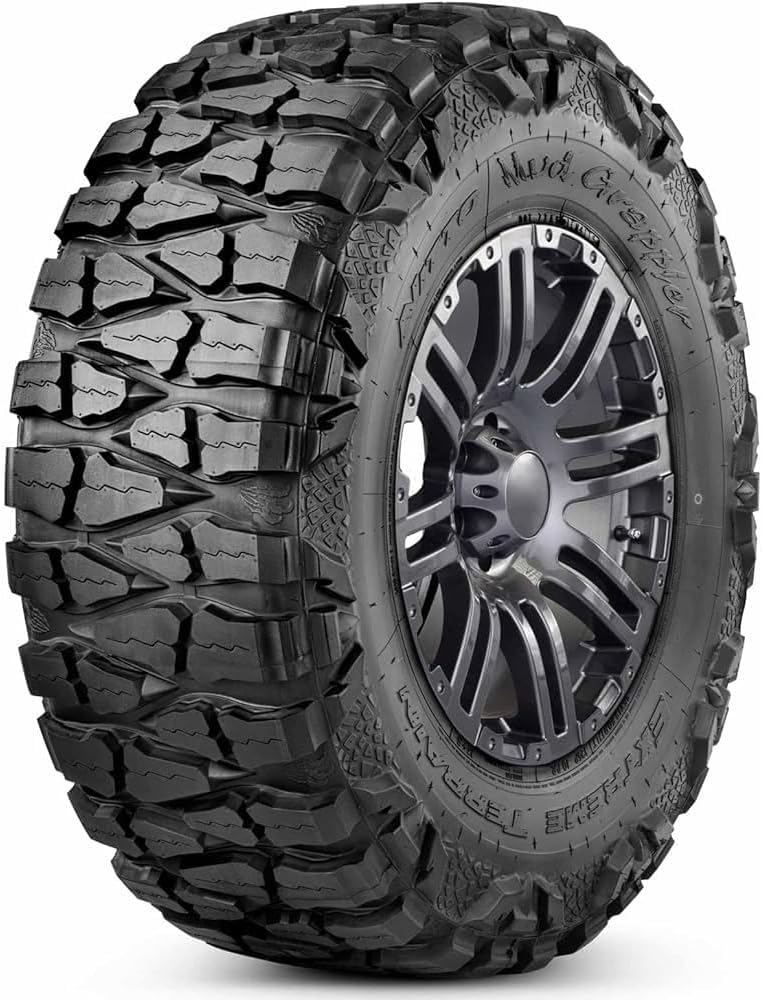
Mud Grappler
A step past the M/T-02 in tread aggression, in 17 flotation fitments from a 33 to a 40. Worth comparing if the Patagonia mud-terrains still look too civil for the trail you run.
Visit website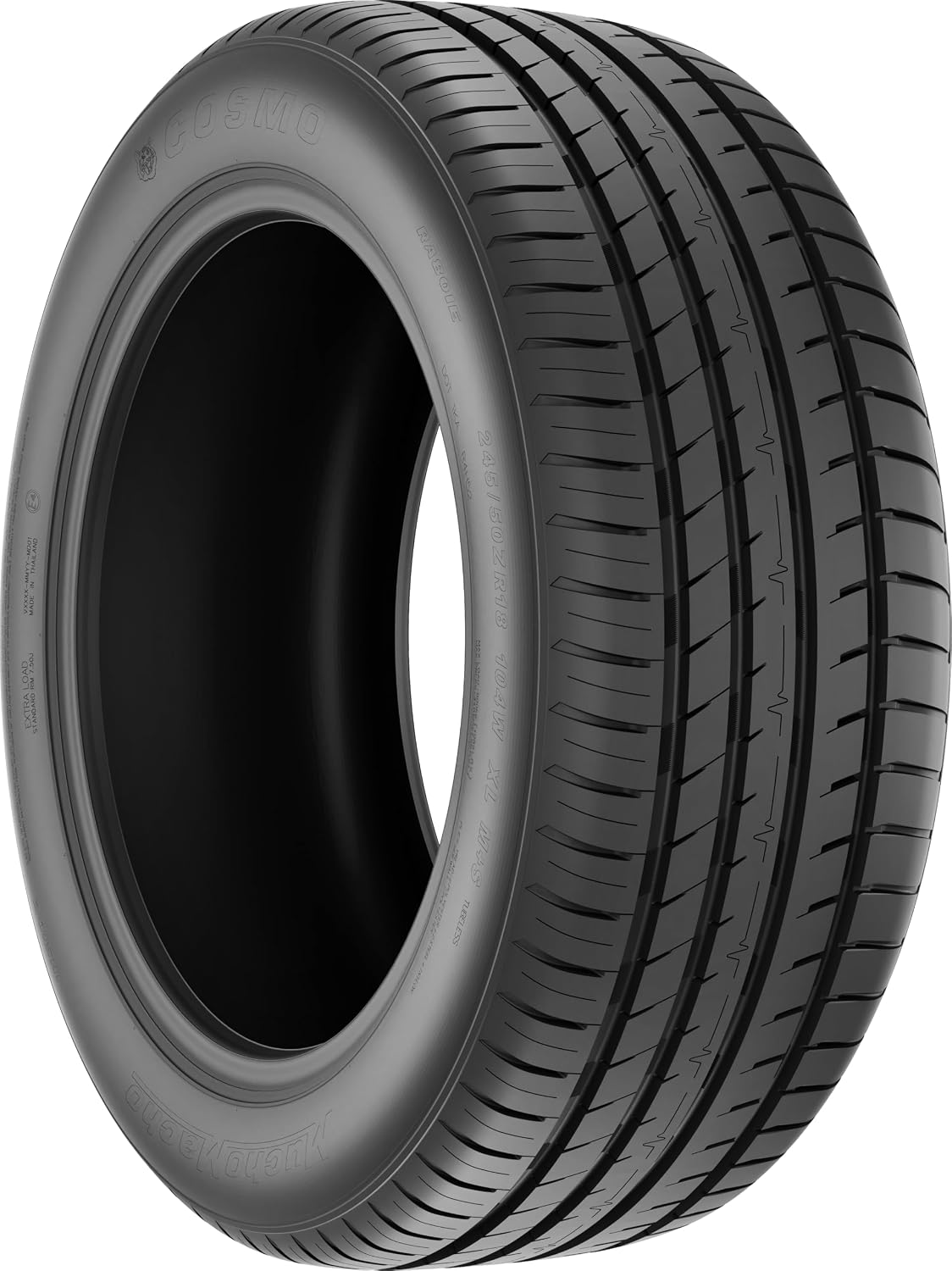
Mucho Macho
The far end of the pavement scale: an ultra-high-performance all-season tire in W and Y speed ratings, built around steering response rather than terrain.
Visit website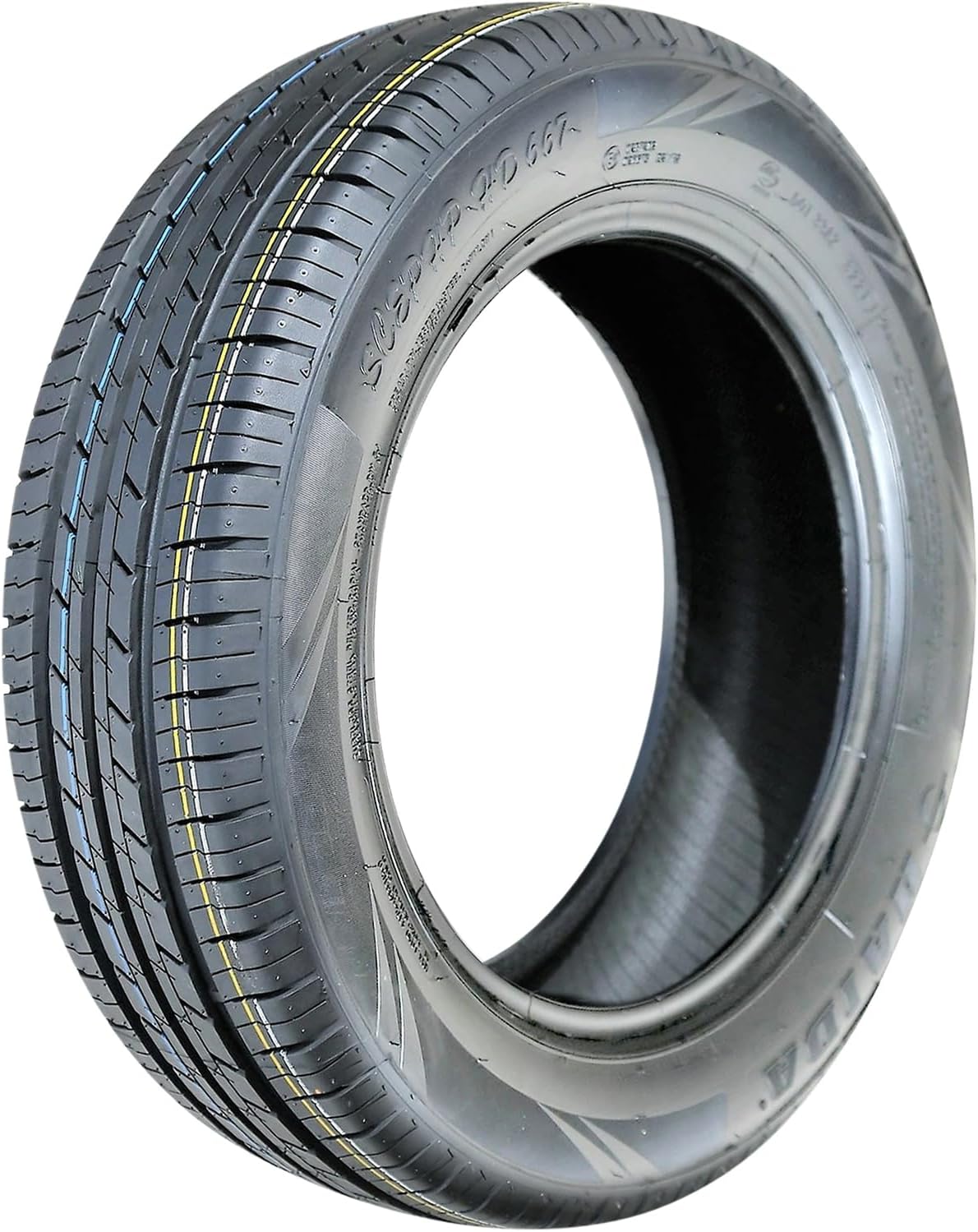
Haida
Budget rubber across all-season, highway and mud-terrain patterns, in small sizes no flotation chart reaches. Worth a look for a second vehicle that never leaves the road.
Visit website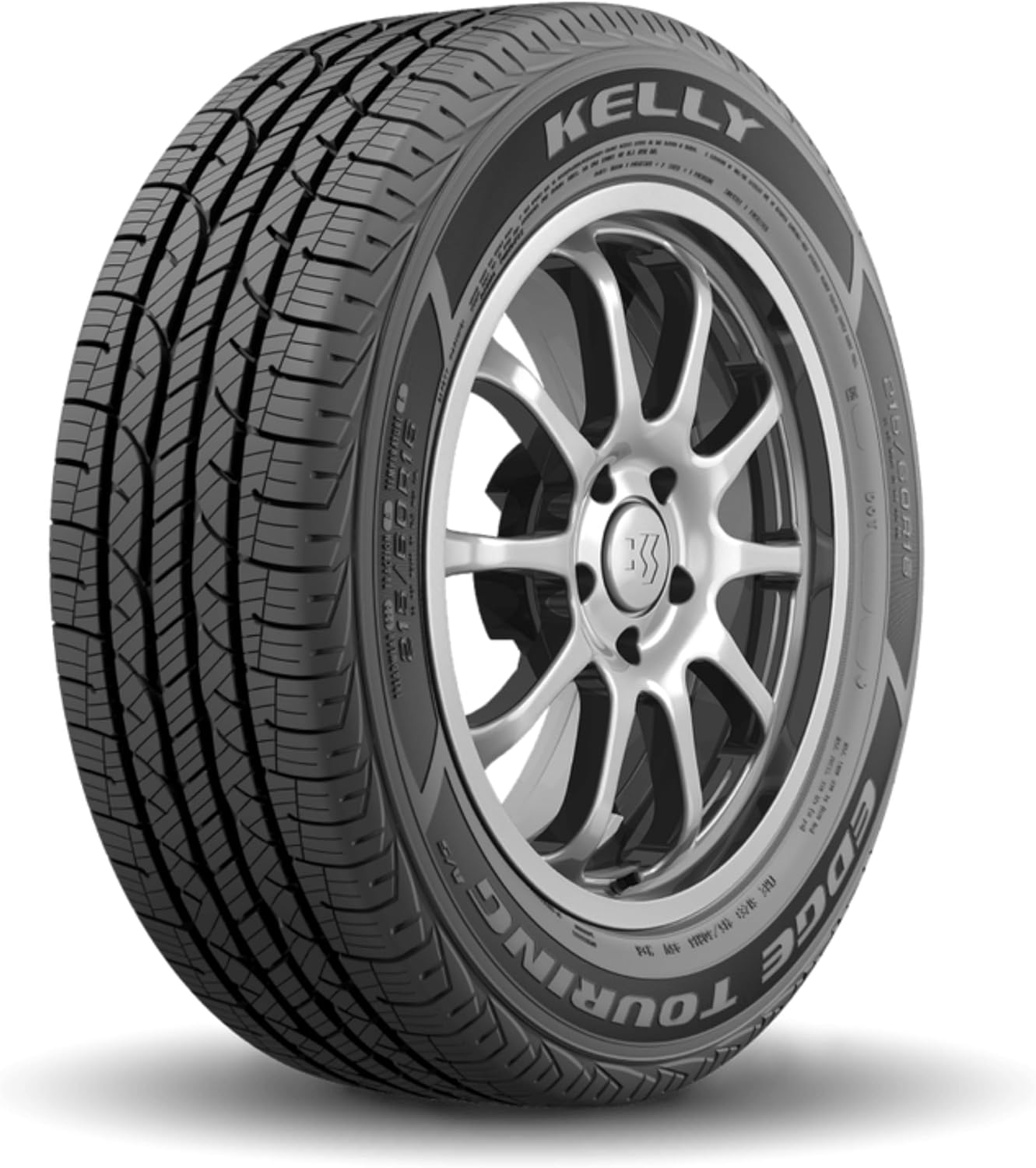
Kelly
Goodyear has owned Kelly since 1935 and runs it as the value badge. The Edge line covers touring, all-season and light-truck fitments when budget outranks tread pattern.
Visit websiteFind Your Patagonia Fitment
Take the size and load requirement from the vehicle first, then decide how much off-road traction it genuinely needs. A tire that fits the wheel is not automatically the right tire for the truck.
Shop Milestar Patagonia Tires